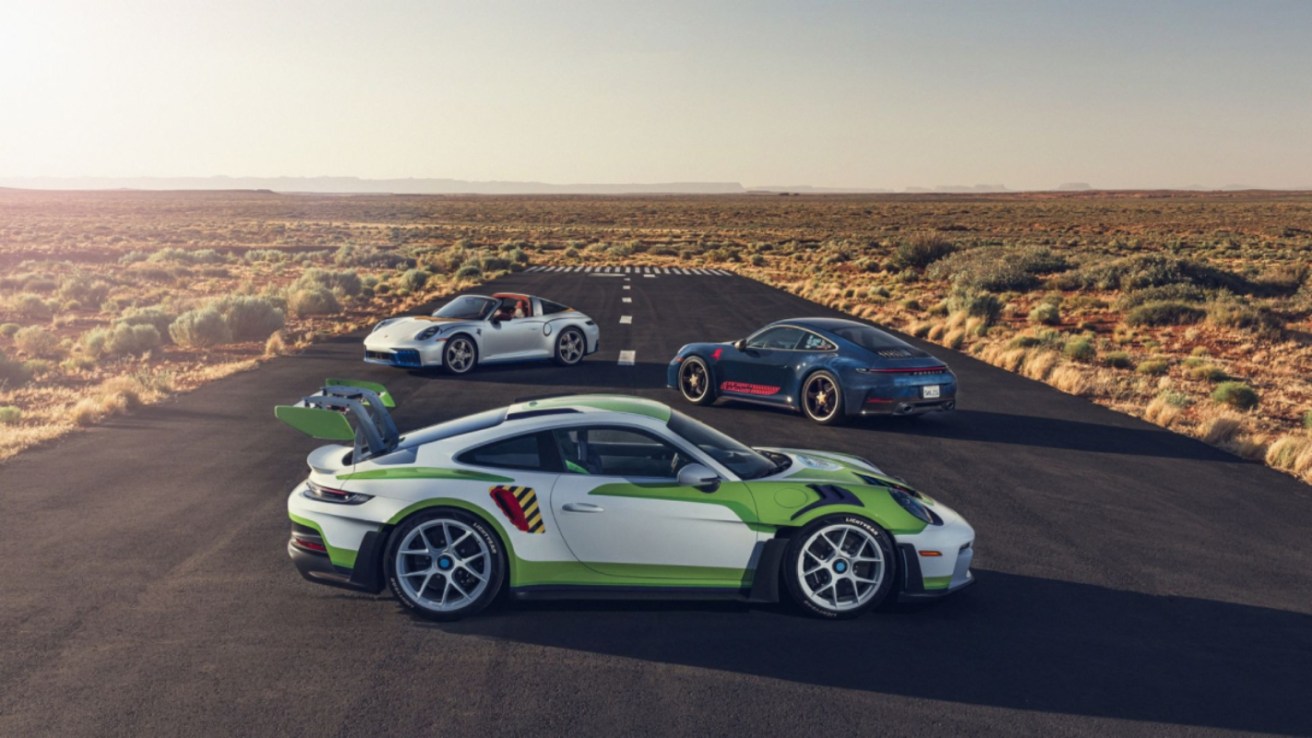
Porsche’s trio of Toy Story-inspired 911s will never reach a showroom, yet they may be among its most effective creations of the year. They show how premium car brands increasingly compete on cultural relevance as much as engineering.
Luxury carmakers have spent decades convincing us that engineering is their greatest asset. The best of them still build exceptional machines, but the business of selling prestige has changed, and today attention is worth almost as much as horsepower. That is why Porsche’s latest creation deserves more notice than it first appears to.
Three one-off Porsche 911s inspired by Woody, Buzz Lightyear and Jessie from Toy Story could easily be dismissed as a playful publicity stunt. They will never appear in dealerships, cannot be configured online and are unlikely to shape the next 911, yet they offer an unusually clear illustration of how premium manufacturers now compete for attention rather than simply for customers. Unveiled at the Los Angeles premiere of Toy Story 5, the cars continue Porsche’s collaboration with Pixar, following the Sally Carrera-inspired 911 that raised $3.6 million for charity in 2022. Four years on, the relationship looks less like a one-off collector’s piece and more like a deliberate effort to keep Porsche embedded in popular culture.
Create your Regit account
Why Porsche keeps partnering with Pixar
For much of the industry’s history, prestige was built through motorsport victories, engineering breakthroughs and technical innovation. Those foundations still matter, but they no longer dominate the conversation. Modern luxury brands compete in an economy driven by visibility, wanting to appear in films, fashion campaigns, games and social feeds because that is increasingly where younger audiences first discover them.
Porsche understands this better than most. The 911 is recognised far beyond enthusiast circles, turning up in Hollywood films as readily as on race circuits, and working with Pixar simply extends that reach to a new audience, one that grew up with Toy Story and is now reaching the age where buying a Porsche shifts from childhood fantasy to financial possibility. It is no coincidence that so many luxury brands now treat entertainment partnerships as seriously as product launches.
What Porsche’s Sonderwunsch cars are really selling
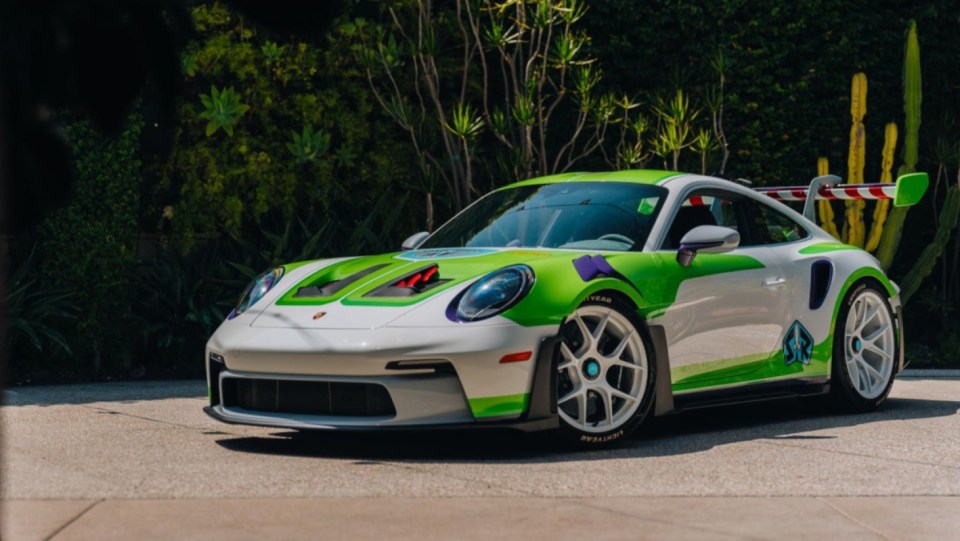
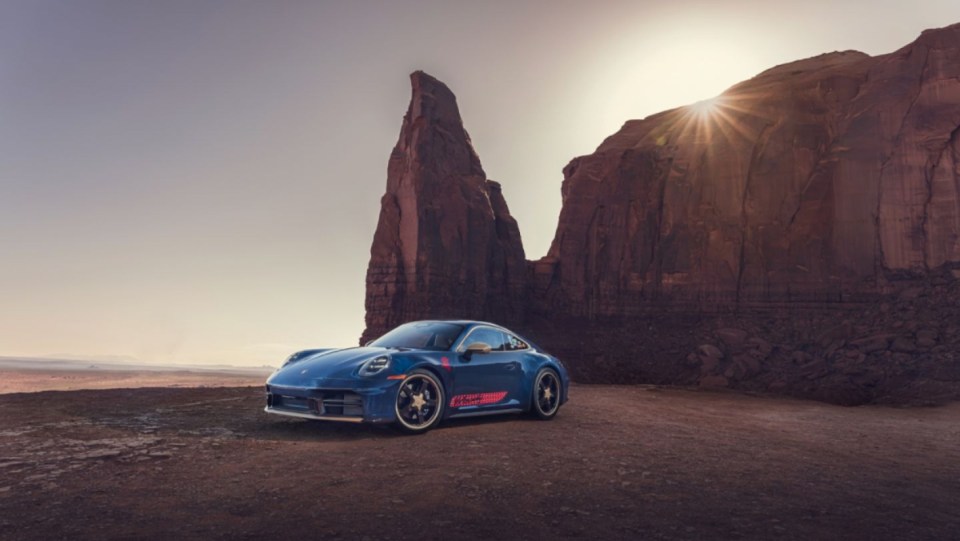
Unlike most limited editions, these 911s are not built to generate sales directly. The Woody-themed Carrera T, Buzz Lightyear-inspired GT3 RS and Jessie-based Targa 4 GTS are one-off commissions from Porsche’s Sonderwunsch department, which handles the company’s most bespoke customer projects, and that distinction matters. Manufacturers usually wheel out special editions to stimulate demand late in a model’s life, as Porsche has done with countless Heritage, Sport Classic and anniversary cars. These serve a different purpose.
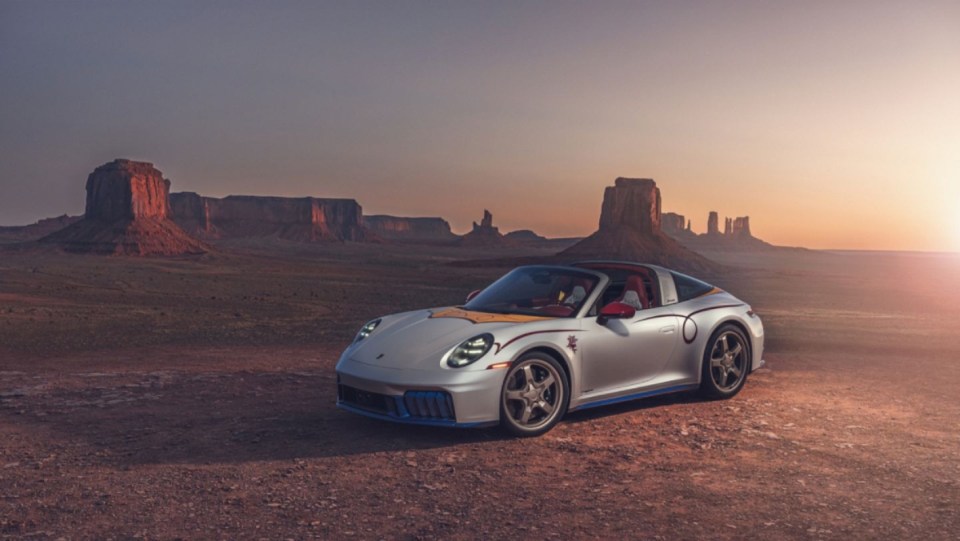
The level of detail is the point. The Buzz GT3 RS wears a tri-colour finish echoing the space ranger’s suit, complete with Goodyear tyres remoulded as “Lightyear” tyres and “To Infinity and Beyond” glowing on the door sills. Jessie’s Targa 4 GTS gets an entirely new paint colour, Jessie White Metallic, a red Targa roof standing in for her hat, and “YEE HAW!” on the sills. Woody’s Carrera T uses a custom paint process designed to mimic the texture of worn denim, with denim-look fabric carried inside on the seats. None of that makes sense measured purely against production costs, but it makes a great deal of sense as a demonstration of what Sonderwunsch can do. The implication is simple enough. If Porsche’s specialists will lavish this much work on three charity cars, imagine what they might build for a paying client.
There’s more to this than charity
All three cars will be sold in aid of children’s charities, including Big Brothers Big Sisters of America, the American Red Cross and the Starlight Children’s Foundation, and the price they fetch will dominate the headlines when the sale happens, particularly after the Sally Special managed $3.6 million in 2022. The good cause is real, but it is only part of what Porsche gets out of the exercise. By the time the sale takes place, Porsche will already have pulled off something marketing departments spend millions chasing, generating global coverage for cars that were never on sale in the first place.
That is the real return. Prestige brands increasingly measure success through engagement as much as transactions, and a project like this reaches well beyond the motoring press into mainstream news, entertainment coverage and social media, landing in front of people who may have no particular interest in sports cars at all.
Luxury is now an experience, not just a product
The Toy Story 911s also reflect a wider shift in how premium goods are sold. Buyers today are paying for membership of a brand’s world as much as for the object itself, which is why watchmakers tie up with Formula One teams, fashion houses collaborate with artists and musicians, and carmakers increasingly present themselves as lifestyle brands. Porsche has leaned into that without losing what made it desirable in the first place. It still builds some of the world’s finest sports cars, but it also grasps that desirability is shaped long before anyone signs an order form, through stories and associations that have little to do with lap times.
That is what makes the Toy Story project more revealing than it looks. These three colourful 911s will never define Porsche’s product strategy or change how the next sports car is engineered. What they show is how the business of luxury has changed. Building brilliant cars is still the price of entry, but keeping people talking about them has become just as valuable, and for premium brands fighting for attention in a crowded global market, that second task may turn out to be the harder one.