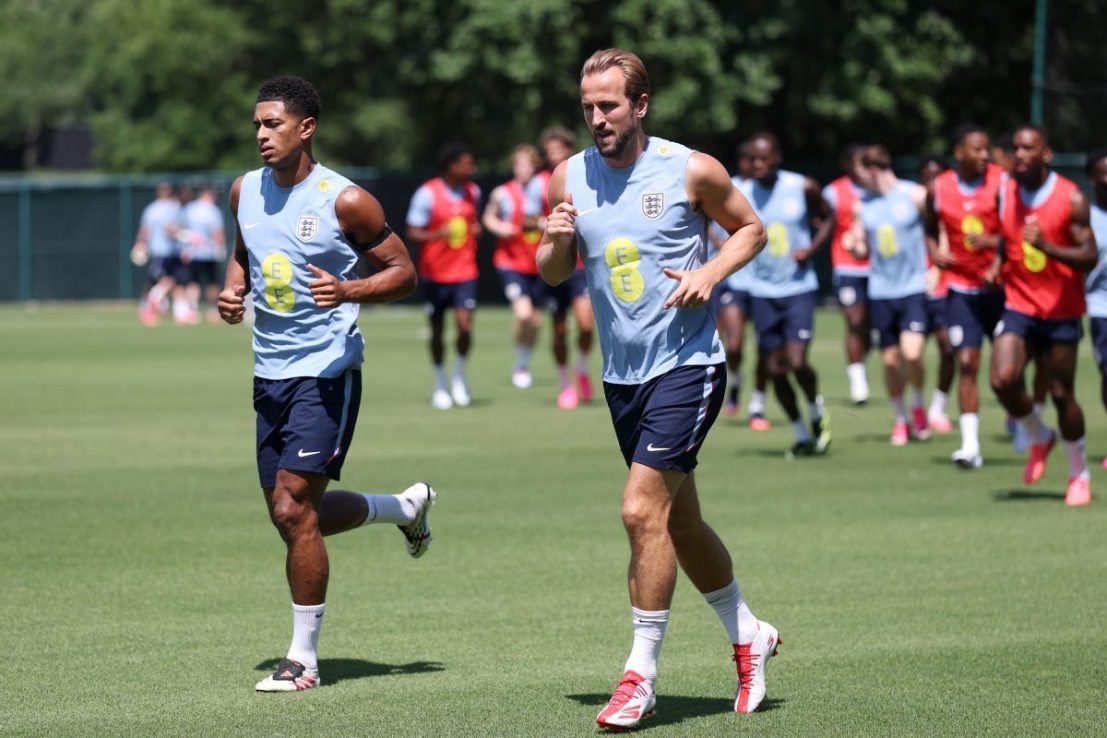
Joshua Charalambous and Ellie Chakarto take a look at why this World Cup is restraining its stars
A lot has been made about the star power at the Fifa Men’s World Cup – goals for Erling Haaland, Kylian Mbappe, Harry Kane and Lamine Yamal – and of course, Lionel Messi and Cristiano Ronaldo who both set world records during the group stages. And the value in brand association with these players is enormous, and Fifa knows it.
So how can you and your brand benefit from the star appeal? What restrictions does Fifa have in place to protect the commercial value of these icons in the latter stages of this World Cup, and what about all of the other brand partner deals that these players have entered?
Fifa owns all rights to tournament broadcasts, footage, photographs, and official marks. Only official Fifa partners and media rights holders are permitted to commercially exploit or broadcast content from the tournament. Players are contractually committed to this position under their participation agreements: if you want to play, then you must play to Fifa’s commercial rules.
While the players have waived certain rights, they retain ownership of their brands and can commercially exploit their image. However, they are forbidden from leveraging their participation in the tournament – for example, using official kits, stadium backdrops or match footage – to endorse personal products without express prior authorisation from Fifa is a very similar regime to the International Olympic Committee and the so-called “Rule 40” principles.
World Cup red tape
And don’t forget The FA – and the other 47 national associations, each with their own brand partnership deals and plenty of competition over content featuring the stars of the show. Marks & Spencer will want to make sure they can feature Kane, Jude Bellingham, Bukayo Saka and Declan Rice front and centre of its activations – the fight for airtime over the tournament’s best players operates at national team sponsor level too.
The easiest way for brands to get in on the action was to become an official partner: the benefits were huge, but the deals did not come cheap. If you’re not an official partner, there is a tightrope and a risk-reward calculation to undertake, given the multi-faceted way in which Fifa looks to enforce its rights.
This year, we’re also looking at overlapping regimes in the USA, Mexico and Canada. Each country has its own publicity laws, false endorsement protections and IP regimes. Layer on top of that Fifa’s rights to enforce its trade marks, and unofficial partners have a lot to think about.
Satisfy the bosses
To stay very safely on the right side of the line, unofficial partners must follow a few general points. Brands should ensure players wear unbranded and generic sportswear and expressly prohibit the inclusion of any club crests, stadium and tournament imagery and all Fifa IP in any campaign. The use of generic language in campaigns will also help avoid any references to Fifa’s registered word marks.
Brands can also consider limiting the timing of activations. American Eagle’s posts of Lamine Yamal have come shortly before Spain’s matches (not during, or shortly after his scoring escapades). The imagery features Yamal in American Eagle clothing, does not include any Fifa IP, and makes no reference to the tournament. Usage rights that American Eagle would have to use Yamal’s image will also be limited to windows outside the 90 minutes in which Spain plays or is capped in the number of posts. Some brands are adopting very conservative approaches and not posting on matchdays, or even during the tournament window, while others are taking a more liberal, risk-based approach.
All eyes will remain firmly on this year’s tournament, but as the UK submitted its bid to host the Fifa Women’s World Cup 2035 last year, it’s worth noting the impending introduction of the Sporting Events Bill. This is set to have a significant impact – including on the protection of commercial rights for such sporting events – and brands should aim to understand the frameworks ahead of its arrival.
Joshua Charalambous is a partner and Ellie Chakarto is a senior associate at RPC Legal





