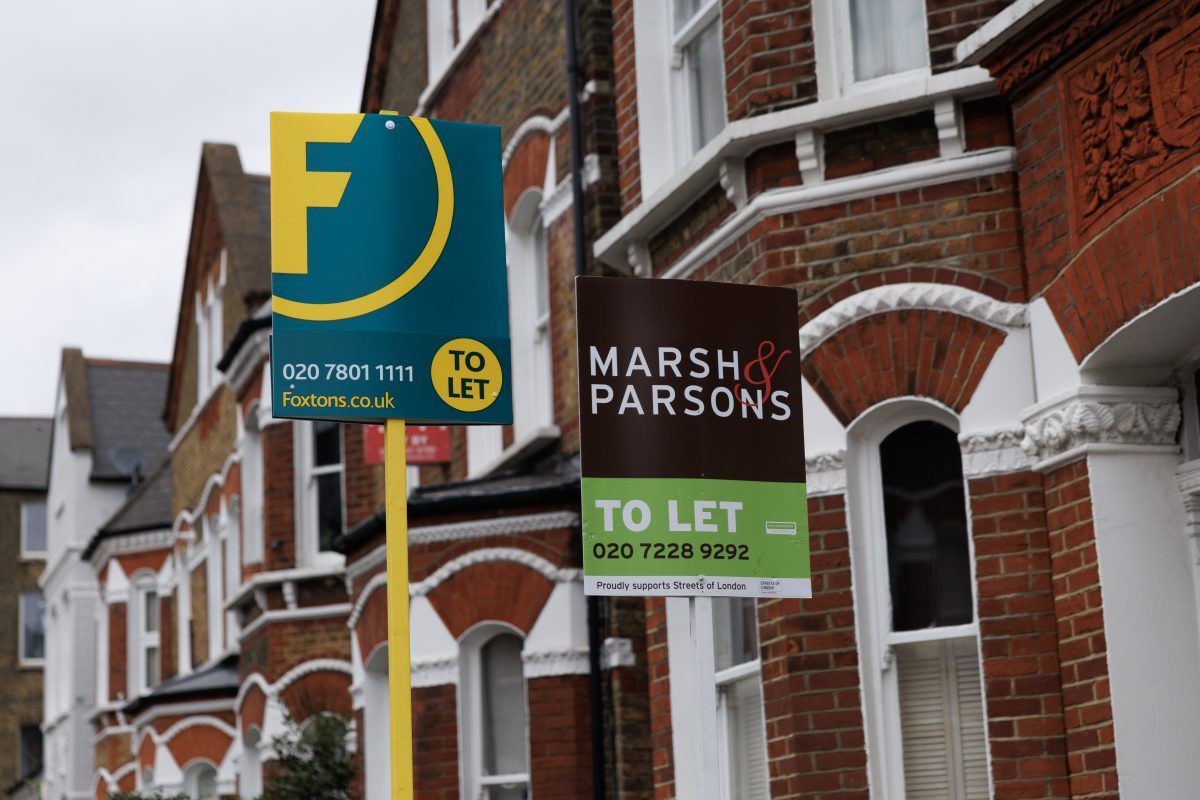
Brits held off inquiring about buying new homes last month as fears over higher mortgage rates dampened the market.
Housing demand dropped in September, according to a survey from the Royal Institution of Chartered Surveyors (RICS), which found that 22 per cent of property professionals saw buyer inquiries fall last month. That figure was up from 18 per cent in August.
Agreed sales also slipped with 18 per cent per cent of professionals recording a fall, compared to 16 per cent previously.
Tarrant Parsons, head of market research and analysis at RICS, said: “A renewed rise in interest rate expectations has created a fresh headwind for the housing market, with buyers becoming a little more cautious and sales activity losing some momentum this month.”
Just under a quarter of professionals were recorded as expecting house prices to fall rather than increase in the next three months. It follows data from Lloyds this week finding the average house price in London fell by 2.2 per cent to £531,548 in the year to September, marking a worse drop than August’s 1.5 per cent.
Across the UK, house prices were unchanged in the month to September as well as year on year, marking an improvement from last month’s 0.3 per cent drop in values.
Parons said the market “may need to contend with a somewhat longer period of subdued activity as households adjust to the prospect of borrowing costs remaining higher than previously anticipated.”
Surging mortgage rates ‘disastrous’ for borrowers
The average five-year fixed mortgage rate broke through the six per cent mark for the first time in three years this week after a raft of lenders hiked prices. Volatility in the market has been driven by the re-pricing of swap rates, which serve as a primary benchmark for pricing fixed-rate mortgages and reflect expectations for future interest rates over two, five, or 10-year terms.
Barclays has hiked selected fixed rates on four occasions. HSBC, Lloyds, Nationwide, Natwest, Santander and TSB have all made three rounds of increases.
“Average fixed mortgage rates rising back to three-year highs will be disastrous news for borrowers,” Rachel Springall, finance expert at Moneyfacts, said.
The Bank of England has left rates unchanged at 3.75 per cent but top economists are pencilling in a potential hike when the Monetary Policy Committee gathers in November.
Interest rate-setter Dave Ramsden said last week that inflation risks have “tilted more to the upside” since the Bank’s last decision in September.
Ramsden, who voted alongside the majority in favour of keeping rates unchanged, said if “upside pressures on the inflation outlook continue to build, there could be a case for increasing Bank Rate.”





