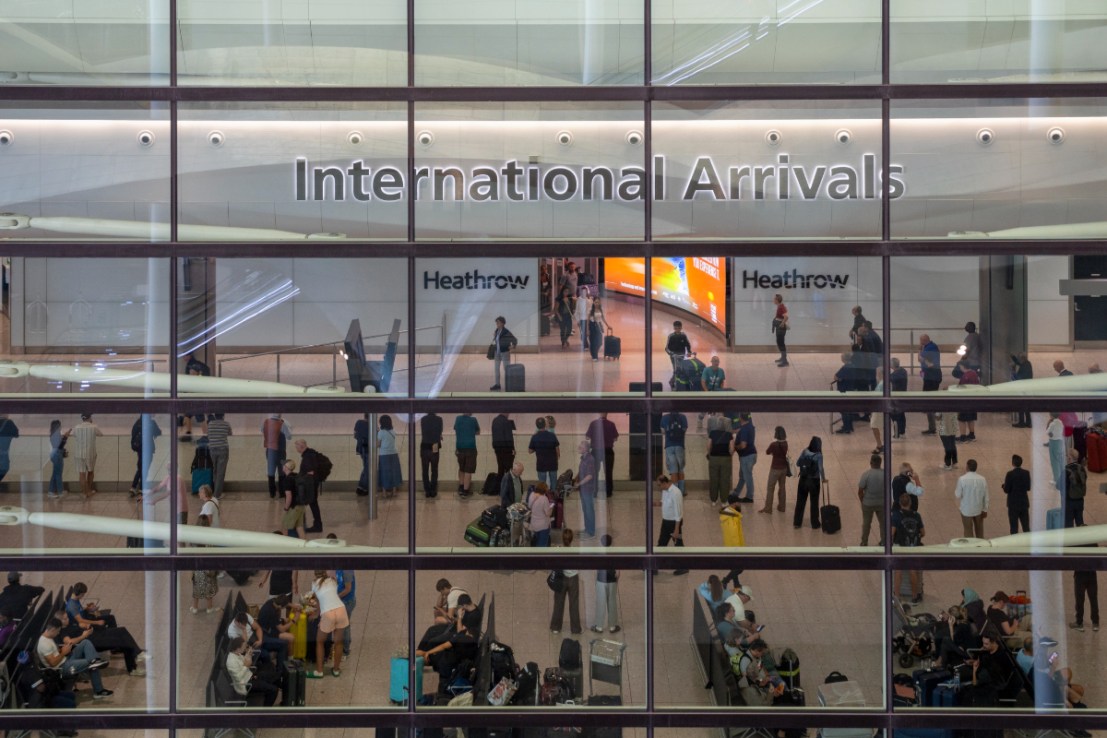
Heathrow will lose its decades-old monopoly over building and operating new projects at the airport under new proposals tabled by the aviation watchdog, paving the way for a rival operator to build the third runway and new terminal.
As part of a review of the airport’s red tape conducted by the Civil Aviation Authority, the aviation watchdog has kept alive plans for what it is calling an ‘alternative developer model’, meaning rival companies will be allowed to bid for and then run infrastructure and upgrade projects at Britain’s largest airport.
Supporters of the model, which is already used by other hub airports like LAX and New York’s JFK, say the added competition helps encourage operators to keep prices down, amid growing scrutiny of Heathrow’s sky-high passenger charges.
As part of the same shake-up, the watchdog also ploughed ahead with plans to force the airport to put all design, construction and outsourcing contracts to tender, and extending the terms of some of its investment repayments.
Heathrow model under strain
Airlines have become increasingly vocal about the shortcomings of Heathrow’s regulatory model, which has seen it ranked as the most expensive hub airport in the world several years running. Virgin Atlantic and British Airways-owner IAG have been engaged in a protracted lobbying campaign dubbed Heathrow Reimagined, accusing the airport’s operator of gold-plating upgrades and infrastructure in the knowledge they can pass the costs onto airlines.
The inclusion of the radical break-up of Heathrow’s monopoly as part of the CAA’s eagerly anticipated update will be welcomed by the airport’s carriers, as well as the hotel tycoon Surinder Arora, who spearheaded a bid to build Heathrow’s third runway that was rejected by transport minister Heidi Alexander last autumn.
Arora, whose original Heathrow West proposal suggested building a shorter runway that avoided rerouting the M25, has since said he intends to resubmit a plan that conforms to the government’s preferred design that was tabled by Heathrow Airport Limited (HAL).
He said: “Two years ago competition at Heathrow wasn’t on the cards and now is very much alive and kicking because the case for change is so strong. We welcome this consultation from the CAA.”
Carriers, HAL and other groups connected to the airport have until 15 June to respond to the consultation, the regulator said. Parliament is then expected to vote this summer on a policy document that would green-light the third runway, before the transport secretary approves a proposal. HAL could still win the bidding process under the proposed model.
A spokesman for Heathrow said: “Heathrow’s success as one of the world’s top and most punctual airports is built on private investment and strong airline partnerships.
“We support reform that boosts efficiency, cuts red tape and keeps investment flowing, but not proposals which will undermine our efforts to improve the airport for consumers or delay the economic growth the country needs. We look forward to working with government and the regulator to turn these proposals into positive outcomes.”





