Consumer goods giant Reckitt posted a bump to revenue in the last financial year as its cost overhaul strategy to focus on specific divisions ramped up.
The blue-chip firm – which owns a massive portfolio of brands including Dettol, Durex, Lysol, Finish, Vanish, and Gaviscon – recorded a 5.2 per cent increase in revenue, driven by growth in China and other emerging markets.
Operating profit edged up two per cent to £3.5bn, whilst the firm’s profit margin – a key metric of profitability – swelled by nearly a quarter.
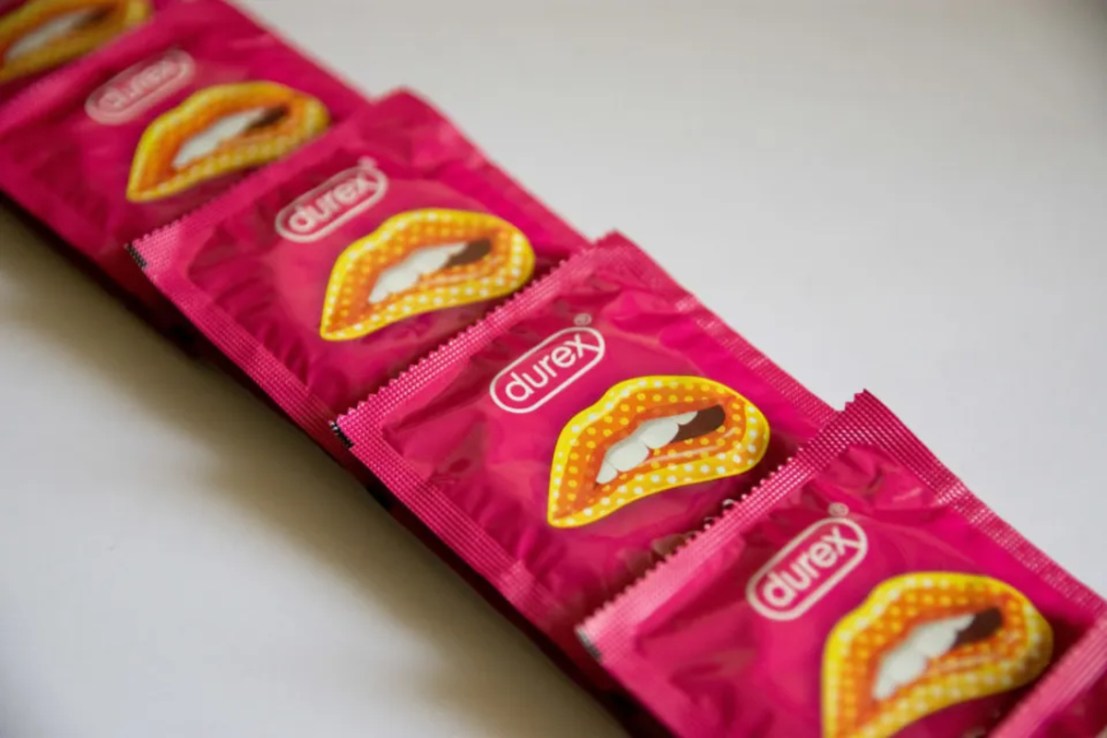
Durex was the star of the show, delivering double-digit revenue growth at 12.5 per cent for the year after innovations like Durex Intensity and portfolio upgrades.
Germ protection division Dettol also became the firm’s largest “powerbrand”, which Reckitt refers to as its top divisions, after 11 per cent growth.
In emerging markets group revenue shot up 14.6 per cent, helping to offset a 1.4 per cent decline in Europe and weak 0.2 per cent growth in North America.
Last July, the firm agreed to offload its Essential Home business to private equity investor Advent International for $4.8bn (£3.6bn). This included the brands Air Wick, Calgon, Woolite and Cillit Bang.
The FTSE 100 giant, which retained a 30 per cent equity stake in the business, has been reshaping its business to focus on “11 high-growth, high-margin powerbrands” as part of a simplification drive.
The firm said on Thursday the Essential Home divestment was completed on December 31 2025, which helped generate a pre-tax profit gain of around £1.2bn.
Reckitt’s cost-cutting drive
A total of £2.3bn was returned in 2025 through dividends and buybacks, with an additonal £1.6bn special dividend paid in February 2026 following the Essential Home sale.
The company is now fixing its sights on achieving a fixed cost base below 19 per cent by the end of 2027.
Reckitt has adopted a ‘Fuel for Growth’ programme, which delivered a reduction in fixed costs to 19.4 per cent of net revenue in 2025, compared to around 21 per cent the year prior.
In 2025, the Group incurred £179m in one-off cash costs specifically related to this transformation and restructuring.
The programme is designed to reduce fixed costs, drive efficiencies, and reinvest those savings back into the company’s powerbrands to support long-term growth.
“We have more work to do but our geographic footprint, portfolio of powerbrands and
focused organisational structure have strengthened our ability to deliver sustainable long-term growth,” said chief executive Kris Licht.
“We look forward with confidence.”





