British autonomous vehicle firm Oxa has raised $103m (£77m) in a fresh funding round after attracting support from the world’s most valuable tech firm, Nvidia.
The Oxford-based business, formerly known as Oxbotica, completed the Series D raise with backing from the government’s National Wealth Fund as well as from the venture arm of energy giant BP alongside London-listed early stage science and technology investor IP Group.
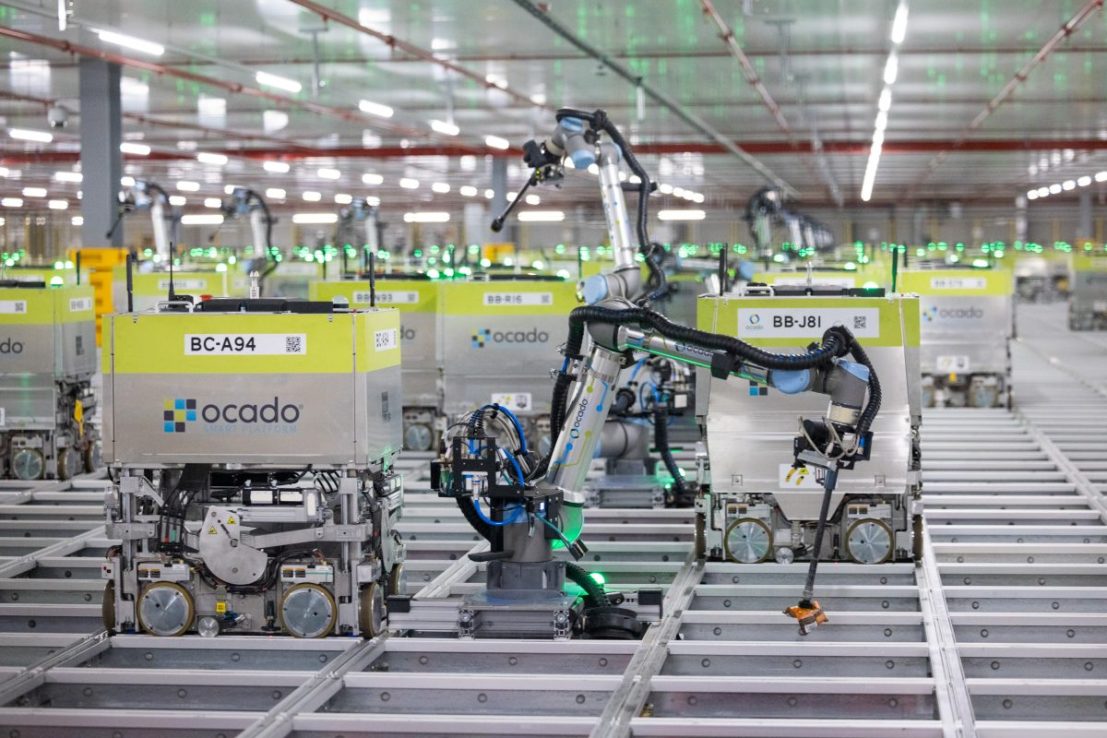
Founded in 2014, Oxa develops autonomous vehicle software for industrial applications such as in warehouses, airports and shipping ports.
“We believe Oxa’s ‘universal AI driver’ approach positions it to scale autonomy across industrial vehicles and environments as adoption accelerates,” said IP Group chief executive Greg Smith.
Oxa did not disclose its new valuation following the funding round, which is likely in the region of $500m. Existing shareholders in the Oxford University spinout including IP Group and Ocado recently wrote down the value of their stakes in the business amid persistent losses.
In its latest accounts filed with Companies House, Oxa posted a loss of £68.9m, an increase of more than 90 per cent on the previous year, with turnover of just £3.1m.
“The increase in loss in the period is due to the continued investment in its software
product development together with a significant charge in connection with the group’s shore incentive plan,” Oxa, which has around 400 staff, said in a statement.
Nvidia invests again
The funding round marks the latest investment from Nvidia’s venture capital arm, Nventures, into a British autonomous vehicle startup following the firm’s investment into self-driving car company Wayve last month.
The $1.2bn (£950m) round takes Wayve’s valuation up to $8.6bn and marks one of the largest capital raises for a UK AI startup.
The funding round was led by Eclipse, Balderton and Softbank Vision Fund 2, with new backing from investors like Ontario Teachers’ Pension Plan, Baillie Gifford, the British Business Bank and Schroders Capital.
Tech giants Microsoft, Nvidia and Uber also participated, alongside carmakers Mercedes-Benz, Nissan and Stellantis.
Uber has separately contributed additional milestone-based funding to support years worth of deployments of Wayve-powered robotaxis on its platform, beginning in London next year.
The fundraise comes as the capital prepares to become a litmus test for driverless taxis under the UK government’s new regulatory framework, where Wayve will compete against Alphabet-owned Waymo and Baidu’s Apollo Go in pilot schemes expected this spring.





