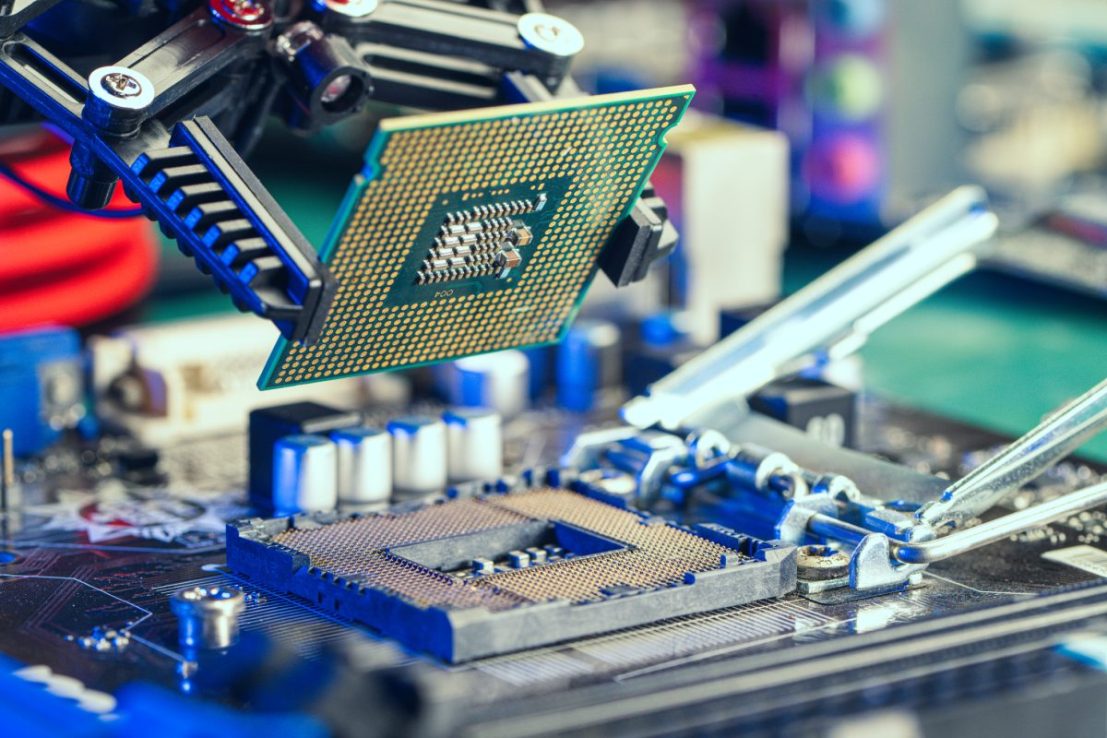
Fascinating news came on Tuesday night that semiconductor designer Arm confirmed rumours that it would be launching its own chip.
For those not in the know, Cambridge-based Arm has so far only focused on semiconductor architecture – the blueprint that determines how chips work – and then licences that out to tech firms who choose what to do with it.
Arm designs the DNA but doesn’t grow the cells, is one way to think of it.
There are advantages to this approach. First, Arm doesn’t actually have to make anything, so it’s not exposed to all the logistical challenges of sourcing raw materials, procuring precision manufacturing equipment and shipping things to customers around the world. All that rigmarole is passed downstream.
Second, Arm isn’t in direct competition with chipmakers. Instead of battling with Intel, Nvidia, Qualcomm, Samsung and the like, Arm can count these firms as customers. That allows its designs to appear in way more chips – everything from smartphones to dishwashers – than it would if it was flying solo.
But this approach has some disadvantages. First, it doesn’t make that much money. The commission Arm gets when a chip is made with its architecture is a small fraction of the sale price. Arm designs were in 31bn chips last year, but it only turned over about £3bn. In other words, it made less than 10p per chip.
Second – all the eggs are in one basket. If people go off the Arm architecture, it’s curtains for Arm. This is a big anxiety on execs’ mind at the moment, given the steady rise in adoption rates of RISC-V, a royalty-free alternative architecture.
So getting into doing its own chips could be the shot in the arm that Arm needs. That being said, this is an expensive gamble. Arm isn’t going to manufacture the chips themselves – that will likely happen in Taiwan – but it will still take a lot of R&D to launch this product.
Given the huge demand for chips by AI companies, with AI data centres springing up like daisies, maybe this is the perfect time for Arm to get a slice of the action. Or maybe they’ve missed the boat.
~
The clocks are changing
Are you ready for the switch to T+1?
No I’m not talking about the clocks going forward, which happens this coming Sunday.
I am of course referring to the testing plan for the new UK-EU-Swiss securities settlement rules. None the wiser?
This is the system governing how the trading of stocks and bonds takes place between buyers and sellers across Europe.
Under new rules, these trades will have to be settled within one business day, a speeding up of the current T+2 rules, which allow two business days.
This sounds like a fairly pedestrian change but do not underestimate the scale of the overhaul to the financial plumbing on which we rely daily to make this happen.
The transition plan, which launched this week, gives firms 18 months to prepare for the switch, and the FCA has already warned it “may take action” against firms who struggle to comply in order “to protect market integrity.”





