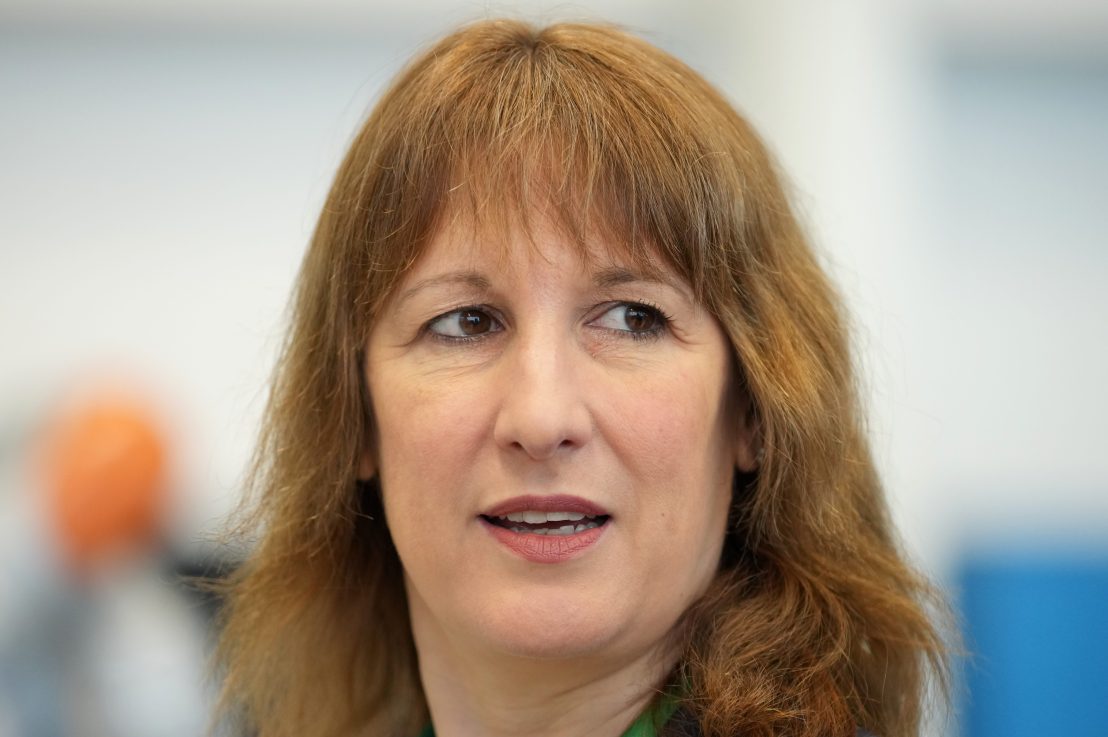
This is the Spring Statement that Chancellor Rachel Reeves has long been waiting for in opposition: a moment of sheer insignificance.
In May 2023, six months after the mini-budget debacle, Reeves offered a speech in opposition to Washington DC’s top independent think tank, the Peterson Institute, exalting her core economics philosophy of ‘securonomics’. She summarised her approach to fiscal policy as prioritising “security that provides the foundations on which we can find hope”.
Those foundations cracked in 2025: Reeves’ position in the Cabinet was on the brink after the welfare saving U-turn. She was caught tearing up during Prime Minister’s Questions, she polled lower than any other frontbencher, the run-up to her second Budget sent jitters running through bond markets, inflation jumped back up and business confidence hit historic lows.
That the Chancellor is less than a week away from a fiscal event almost nobody is talking about is a remarkable accomplishment.
Much of that is of the Chancellor’s own making. Firstly, public finances benefitted from a massive boost in tax receipts over January, putting the Treasury on course to meet – or, better, undershoot – Office for Budget Responsibility (OBR) forecasts for the budget deficit over the current financial year. Secondly, Reeves tweaked her fiscal rules at the Budget so that the OBR only scores the government’s financial policies against her borrowing and debt targets once a year. And thirdly, an expected drop in inflation from April, which will come partly as a result of a government policy to strip energy subsidies from household bills along with some regulated price freezes, is giving the Bank of England greater confidence to cut borrowing costs over the coming year.
It means any murmurings about headroom, the size of public sector debt and elevated borrowing costs have been drowned out by weeks of seemingly good news for the government.
Instead of being forced to unveil – and then U-turn on – a round of welfare cuts that proved too unpalatable for her backbenchers to stomach (as was the case last year) Tuesday’s statement will be a more understated affair. The Treasury’s watchdog will revise its economic forecasts and offer a brief analysis of recent shocks such as President Trump’s tariffs, unemployment and declining energy bills.
If it’s feeling brave enough to question the government, the OBR could rattle ministers by raising further questions on a £6bn funding gap for special educational needs and disabilities (SEND). Education secretary Bridget Phillipson has spent much of the past week championing the government’s white paper on reforms, but has not been all too clear about how extra investment will be sourced.
OBR’s teenage crisis
On this occasion, though, the OBR’s quiet mandarins will be as eager as the Chancellor not to make much news. The leaderless organisation is waiting for the Treasury permanent secretary James Bowler to appoint a new chair, who will receive at least £150,000 a year, after Richard Hughes resigned last year over an inadvertent leak of the Budget and a squabble with Reeves over media briefings.
The OBR is also facing its own existential threats: separate inquiries into its performance by the Treasury Committee and the House of Lords Economic Affairs Committee could give the government further incentive to reform the watchdog while think tankers, opposition parties and Labour MPs have called for rules to be re-written and an overall of the fiscal framework. It’s even more reason for the OBR’s team of some 50 civil servants to avoid rattling Westminster.
By all accounts, the Spring Statement will be something of a non-event. Business chiefs and bond traders may be relieved they may not have to keep checking phone notifications for unexpected announcements.
Reeves’ fiscal problems
Yet as the government sleepwalks to crucial local elections in May and deals with whatever political implications emerge from the result at the Gorton and Denton by-election result, a fiscal non-event presents its own risks.
Shortly after last year’s Budget, Sir Keir Starmer said his government’s growth plans hinged on three areas of economics policymaking: trade deals, planning changes and welfare reform. Little has changed over the last two months in those policy areas, bar fresh questions over trade with the US.
Achieving closer trade with the EU has hit roadblocks after the UK failed to secure access to the Security Action for Europe (SAFE) fund. The Prime Minister has still not fully adopted recommendations set out in the Fingleton Review on deregulation for nuclear energy projects. And welfare reform is on hold until the Milburn Review and Timms Review are published, both of which are not due for months.
Problems are still building up
Without an immediate boost to growth, Reeves, or whatever the look of the government is in the autumn, could be left having to fix a multitude of financial problems. RBC Capital Markets economist Cathal Kennedy has warned that new net migration figures in May could force the OBR to rethink labour force assumptions in the three-year forecast window and revise assessments of growth and headroom. The prospect of a faster rise in defence spending than previously set out could also leave Reeves scrambling to find spare cash left in other departments or to grab more from taxpayers.
In either case, the Treasury looks set for showdowns with the Home Office and the Ministry of Defence over the months leading to this year’s Budget.
City analysts at BNP Paribas and KPMG have also warned that, despite some consolation in recent borrowing figures, risks for the size of public debt still lurk.
Growing nerves over student loans and youth unemployment- both issues that require fresh economic policies – are also leaving the electorate queasy about the government’s inaction. A Spring Statement that flashes by, leaving government policy unchanged, could leave Starmer and Reeves appearing unbothered by the country’s economic woes.