Geraldine Napier-Payne, Head of Portfolio Management, LGT Wealth Management
One reason investors are drawn to collectibles is that the entry story is so compelling.
Whisky, fine wine, art, and watches – along with more modern phenomena like trading cards and sneakers – can offer the potential for price appreciation.
They also deliver something else many financial assets cannot: personal enjoyment, cultural cachet, and even sometimes a connection to family heritage. That is also why liquidity can be overlooked at the outset. When the emotional case is so vivid, the exit mechanics are far less interesting to consider. But we should not lose sight of the fact that no asset is truly “investable” unless there is a credible route back to cash.
Genuine liquidity
A common mistake is to confuse visibility of prices with genuine liquidity. Auction headlines and index data can give the impression of a frictionless market. But collectibles often trade within relatively narrow buyer pools, on uneven timetables and with meaningful gaps between an indicative valuation and an achievable sale price. Liv-ex, a fine wine exchange and data provider, was created in part to address exactly that problem, by improving price discovery and showing actual transaction data rather than simply reflecting optimistic asking prices.
The internet can connect networks of people with shared interests or hobbies, connecting buyers and sellers quickly. This is particularly visible in markets such as trading cards, comics, sneakers and handbags, where platforms such as eBay and social media have made resale faster and more accessible. Even so, popularity and hype can create a form of liquidity that is highly trend-driven and potentially short-lived.
Another important consideration is that collectibles sit outside the regulatory architecture that governs most traditional investments. Investors in equities, bonds or funds generally benefit from standardised disclosure and more established protections. Buyers of passion assets often do not. In these markets, value depends far more on provenance, storage and the credibility of the selling channel. That does not make them a no-go zone, but it does mean investors must take additional steps if they hope to realise value later.
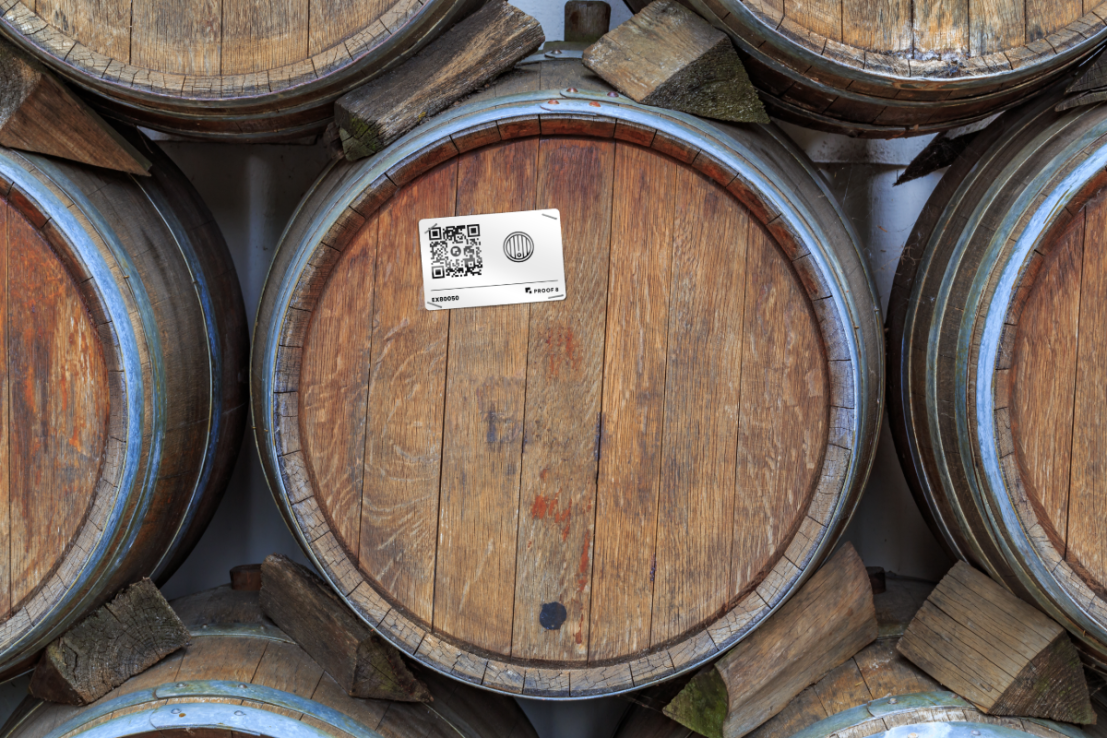
Governance, record-keeping and transparency sit at the centre of that process because they turn collector interest into buyer confidence. In art, Christie’s defines provenance as the documented ownership history of an object and notes that strong provenance supports value. The same principle applies across collectibles. In whisky, detailed purchase records, photographs and condition notes can materially affect resale. In wine, details such as in-bond status serve a similar function.
Valuations move with supply and demand
Before buying, investors should ask not just, “What might this be worth in ten years?” but also, “Who is the natural buyer, through which channel, and on what timeline?” For whisky, auction can be effective, but it is rarely straightforward. Valuations move with supply and demand, reserve prices may not be met, and relisting can bring additional costs. Exit should be thought of as a process rather than a single event.
The final discipline is managing expectations around investment horizons. Whisky investment often requires at least five to ten years for meaningful appreciation, and valuations are known to fluctuate for myriad reasons, including distilling and environmental conditions, consumption trends and other demand levers. That longer holding period is not a weakness, but it does mean investors should avoid treating collectibles like readily tradeable securities.
Patience is often rewarded in collectibles, but only when the groundwork has been done properly and there is a realistic route to sale. The romance may justify the purchase, but liquidity is what ultimately determines whether it can be treated as a genuine investment.
This communication is provided for information purposes only. The information presented herein provides a general update on market conditions and is not intended and should not be construed as an offer, invitation, solicitation or recommendation to buy or sell any specific investment or participate in any investment (or other) strategy. The subject of the communication is not a regulated investment. Past performance is not an indication of future performance and the value of investments and the income derived from them may fluctuate and you may not receive back the amount you originally invest. Although this document has been prepared on the basis of information we believe to be reliable, LGT Wealth Management UK LLP gives no representation or warranty in relation to the accuracy or completeness of the information presented herein. The information presented herein does not provide sufficient information on which to make an informed investment decision. No liability is accepted whatsoever by LGT Wealth Management UK LLP, employees and associated companies for any direct or consequential loss arising from this document.
LGT Wealth Management UK LLP is authorised and regulated by the Financial Conduct Authority in the United Kingdom.





